# Reimagining Visual Art: How AI is Redefining Artistic Boundaries and Expanding Perception
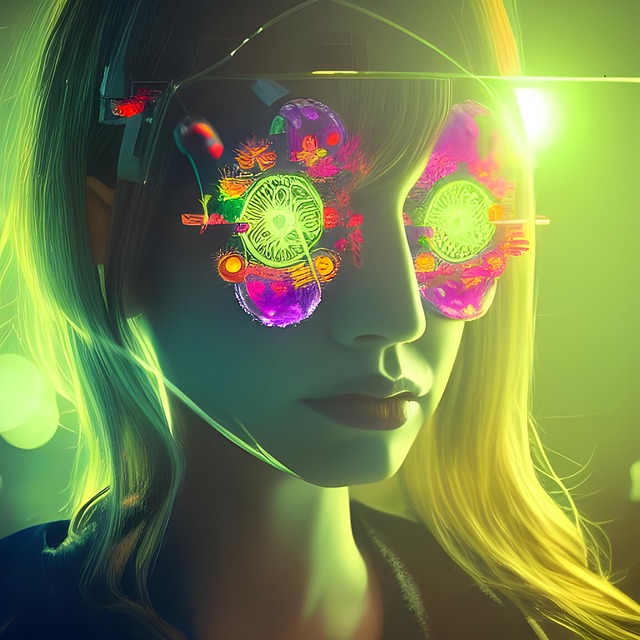
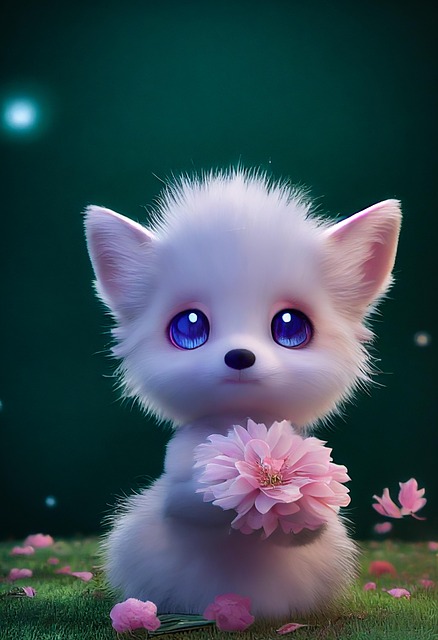
The intersection of technology and creativity has always been a fertile ground for innovation, and in recent years, artificial intelligence (AI) has emerged as a transformative force in the realm of visual art. Artists, critics, and enthusiasts alike are witnessing a paradigm shift as AI tools and algorithms challenge traditional notions of creativity and authorship. This article explores how AI is redefining artistic boundaries and expanding our perception of art in the 21st century.
## The Emergence of AI in Art Creation
Historically, the creation of art has been a deeply human endeavor, rooted in personal expression, emotional resonance, and cultural context. However, the advent of AI has introduced new methodologies for artistic creation. AI algorithms can now analyze vast datasets of existing artworks, learning patterns, styles, and techniques that inform their own creations. This has led to the emergence of AI-generated artworks that, while lacking human emotion, often evoke profound responses from viewers.
One notable example is the use of Generative Adversarial Networks (GANs), which pit two neural networks against each other to create images that are strikingly original yet reminiscent of existing styles. These AI systems can produce everything from abstract compositions to hyper-realistic portraits, effectively blurring the lines between human-made and machine-made art. As a result, the role of the artist is evolving; artists are now curators and collaborators, guiding AI in the creative process rather than solely producing works themselves.
In addition to GANs, other AI technologies like deep learning and neural style transfer have gained traction in the art world. These tools allow artists to experiment with their style and incorporate elements from multiple sources, creating hybrid works that challenge conventional definitions of originality and authorship. Such innovations prompt a reevaluation of what it means to create art and who qualifies as an artist in this new landscape.
## Redefining Artistic Authorship and Ownership
The question of authorship has become increasingly complex in the age of AI-generated art. Traditionally, the artist has been regarded as the sole creator of an artwork, imbued with personal intent and emotional depth. However, as AI systems take on a more prominent role in the creative process, the concept of authorship is being redefined. Who, if anyone, is the true creator of an artwork generated by an AI? The artist who programmed the algorithm, the AI itself, or the collective cultural knowledge embedded in the dataset?
Legal frameworks surrounding copyright and ownership are struggling to keep pace with these developments. In 2018, an AI-generated portrait titled “Edmond de Belamy,” created by the Paris-based art collective Obvious, was auctioned at Christie’s for an astonishing $432,500. This event raised eyebrows and ignited debates about the ownership of AI-generated works. While the creators of the portrait claimed authorship, the AI’s role in the creative process complicates the traditional understanding of intellectual property.
Moreover, the democratization of art creation through AI tools raises ethical questions about the implications for human artists. As AI becomes more capable of producing high-quality art, concerns about job displacement and the devaluation of human creativity grow. Nevertheless, many artists view AI as a tool that can enhance their practice rather than replace it. By embracing AI technologies, artists can explore new avenues of creativity, pushing the boundaries of their work and challenging the status quo.
## Expanding Perception and Engagement with Art
AI’s influence on visual art extends beyond the act of creation and authorship; it also has the potential to transform how audiences perceive and engage with art. Traditional art forms often require a level of expertise or cultural literacy to fully appreciate, but AI-generated art can be more accessible and inclusive. Algorithms can analyze viewer preferences and curate personalized art experiences, allowing individuals to discover works that resonate with them on a personal level.
Furthermore, immersive technologies such as virtual reality (VR) and augmented reality (AR) are increasingly being integrated with AI to create interactive art experiences. These technologies enable viewers to engage with art in ways that were previously unimaginable. For instance, imagine stepping into a virtual gallery where AI-generated artworks respond to your movements or emotions, creating a dynamic and personalized experience. Such interactions can deepen the viewer’s connection to the artwork and foster a more profound understanding of the creative process.
In addition, AI has the potential to challenge our perceptions of beauty and aesthetics. By generating artworks that deviate from established norms, AI encourages viewers to confront their biases and assumptions about what constitutes “good” art. This democratization of aesthetics invites a broader range of interpretations and encourages dialogue around the nature of art itself. As viewers engage with AI-generated works, they are prompted to reflect on their own perceptions, leading to a more expansive understanding of creativity.
## Conclusion: A New Era of Artistic Exploration
In conclusion, the integration of AI into the world of visual art is not merely a technological advancement; it represents a fundamental shift in how we understand creativity, authorship, and engagement with art. As AI continues to evolve and reshape artistic practices, artists are finding new ways to express themselves, challenge conventional norms, and explore uncharted territories of creativity.
While the implications of AI in art raise complex questions about ownership and authorship, they also present exciting opportunities for collaboration and innovation. As we navigate this new era of artistic exploration, it is essential to embrace the potential of AI as a tool that can enhance human creativity rather than diminish it. Ultimately, the future of visual art lies in the dynamic interplay between human ingenuity and artificial intelligence, expanding our perception and redefining the very essence of artistic expression.