Introduction
Artificial Intelligence (AI) has been transforming various industries, from healthcare to finance, with its ability to automate and streamline processes. But one area where AI is truly redefining the boundaries is in the world of art. For centuries, creativity and art have been seen as uniquely human traits, but with the advancements in AI technology, machines are now able to create original and thought-provoking pieces of art. This revolution of AI art is not only challenging our perception of creativity but also opening up new possibilities for the future of art. In this article, we will explore how AI is redefining creativity and the impact it is having on the art world.
Section 1: The Rise of AI Art
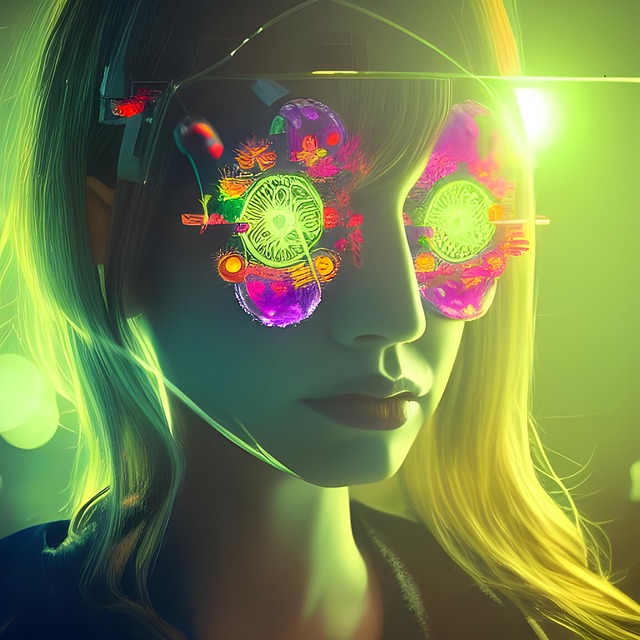
AI art is a relatively new concept, but it has been gaining momentum in recent years. It all started in 2015 when a group of researchers at Google created a neural network called DeepDream, which could generate images based on patterns it had learned from analyzing thousands of images. The results were mesmerizing, with the machine creating bizarre and surreal images that captured the attention of the art world.
Since then, AI art has evolved and expanded, with artists and researchers using different techniques and algorithms to create unique pieces. One of the most popular techniques is Generative Adversarial Networks (GANs), where two neural networks compete against each other to create new images. This technique has been used to create everything from paintings to music and even fashion designs.
The rise of AI art has also been fueled by the availability of open-source AI tools, making it more accessible for artists and creators to experiment with. This democratization of AI art has led to a surge in interest and has given rise to a new generation of artists who are blending technology with creativity.
Section 2: The Impact on the Art World
The emergence of AI art has sparked debates and discussions in the art world. Some argue that AI can never truly replace human creativity, while others see it as a new form of art that pushes the boundaries of what is possible. One of the most significant impacts of AI art is its ability to create original and unique pieces that challenge traditional notions of creativity.
Traditionally, art has been seen as a subjective and emotional expression of human experiences. But with AI art, the process is entirely different. Machines do not have emotions or experiences, but they can analyze and learn from vast amounts of data to create something that is entirely new and unseen before. This raises questions about the definition of creativity and the role of the artist in the creation process.
AI art is also challenging the concept of authorship in the art world. With traditional art, the artist is considered the sole creator of the piece. But with AI art, the machine is also seen as a co-creator, leading to questions about who owns the rights to these pieces. This has led to legal challenges and debates over copyright and intellectual property.
Section 3: The Future of AI Art
The future of AI art is full of possibilities and potential. As technology continues to advance, we can expect to see even more sophisticated and complex pieces of art created by machines. One of the most exciting developments is the use of AI in interactive art installations, where the audience can engage and influence the artwork in real-time.
AI art is also being used to preserve and restore old and damaged artworks. With the help of algorithms, machines can analyze and restore paintings, sculptures, and other artworks, allowing us to see them in their original form. This has the potential to revolutionize the way we preserve and protect our cultural heritage.
Furthermore, AI art is also being used to create personalized art pieces. With the use of data and algorithms, machines can analyze an individual’s preferences and create a unique piece of art tailored to their tastes. This has the potential to make art more accessible and relatable to a wider audience.
Conclusion
The rise of AI art is redefining our understanding of creativity and challenging traditional notions of what art is. It is a testament to the power of technology and its ability to push the boundaries of what is possible. While there are debates and concerns about the impact of AI on the art world, there is no denying that it is opening up new possibilities and creating a new genre of art. As we continue to advance technologically, it will be fascinating to see how AI art evolves and the impact it will have on the future of art.