# The Intersection of Technology and Art: How AI is Redefining Visual Storytelling Today
In recent years, the convergence of technology and art has sparked a revolution in the creative landscape. As artificial intelligence (AI) continues to advance, its influence on visual storytelling has become increasingly profound. This article explores how AI is reshaping the way stories are told through visual mediums, examining its impact on creativity, accessibility, and the evolving role of the artist.
## The Rise of AI in Creative Processes
Artificial intelligence has made significant strides in various fields, and the arts are no exception. From generating images to composing music, AI tools are now integral to the creative process. Machine learning algorithms can analyze vast datasets, enabling them to produce original artworks that mimic the styles of renowned artists or create entirely new visual languages. This newfound capability has opened doors for artists and storytellers, allowing them to experiment with forms and narratives that were previously unimaginable.
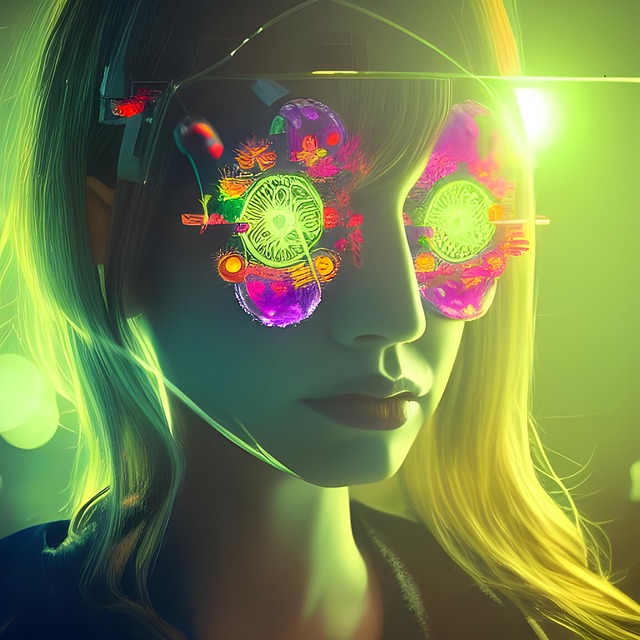
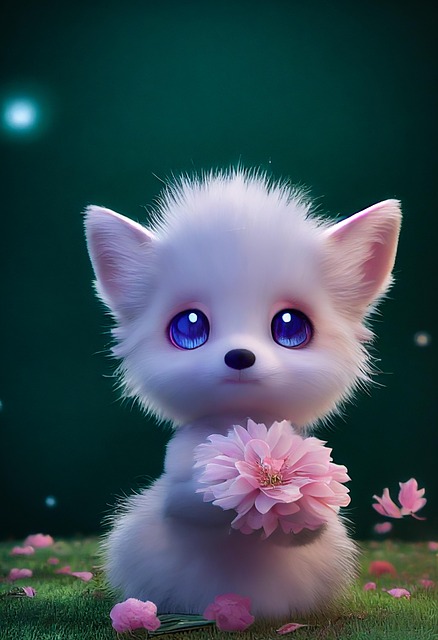
Among the most notable developments is AI’s ability to generate visual content autonomously. Programs like DALL-E and Midjourney can create stunning images based on textual prompts, offering artists a new medium for exploration. By collaborating with AI, creators can push the boundaries of their imagination, resulting in innovative storytelling techniques that blend human creativity with machine-generated aesthetics. The interplay between human intuition and AI’s computational prowess presents an exciting frontier in visual storytelling.
## Democratizing Creativity and Accessibility
One of the most significant impacts of AI on visual storytelling is its potential to democratize creativity. Traditional art forms often require specialized skills and extensive training, which can be a barrier for many aspiring artists. However, AI tools have lowered these barriers, providing individuals with access to sophisticated creative resources. With user-friendly interfaces and powerful algorithms, anyone can create compelling visual narratives, regardless of their artistic background.
This democratization extends beyond individual creators; it also influences the broader landscape of visual storytelling. Independent filmmakers, graphic designers, and content creators can harness AI to enhance their projects without the need for large budgets or extensive technical expertise. As a result, diverse voices and perspectives are emerging in the creative sphere, enriching the storytelling landscape with a variety of cultural narratives and experiences. The ease of access to AI-driven tools fosters inclusivity, allowing a wider range of stories to be told.
Moreover, accessibility is not limited to the creation of art; it also encompasses consumption. AI-driven platforms are improving how audiences engage with visual storytelling. Algorithms can analyze viewer preferences and tailor content recommendations, ensuring that individuals discover narratives that resonate with them. This personalized approach enhances the overall experience, fostering a deeper connection between audiences and the stories they encounter.
## Redefining the Role of the Artist
The integration of AI into visual storytelling has prompted a reevaluation of the artist’s role in the creative process. Traditionally, artists have been seen as the sole creators of their work, pouring their emotions and experiences into each piece. However, the rise of AI challenges this notion, as machines increasingly participate in the creative dialogue. This shift raises important questions about authorship, originality, and the essence of creativity itself.
In this new landscape, artists are beginning to embrace AI as a collaborator rather than a competitor. By leveraging AI’s capabilities, they can focus on the conceptual aspects of their work, allowing technology to handle the more labor-intensive tasks. This collaboration can lead to unexpected outcomes, as AI-generated elements introduce novel ideas that artists may not have considered. The result is a fusion of human creativity and machine intelligence, producing works that reflect a unique synergy.
Furthermore, the ethical implications of AI in art cannot be overlooked. As AI-generated content becomes more prevalent, discussions surrounding copyright and intellectual property rights are intensifying. Artists must navigate these complexities, ensuring that their work remains distinct while embracing the innovations that AI offers. This evolving landscape requires a new understanding of creativity, one that acknowledges the contributions of both human and machine.
## Conclusion: A New Era of Visual Storytelling
The intersection of technology and art, particularly through the lens of AI, is transforming visual storytelling in profound ways. As AI continues to evolve, it empowers creators to explore new horizons, democratizes access to artistic expression, and redefines the role of the artist in the creative process. This ongoing evolution invites us to consider the future of storytelling, where the collaboration between human intuition and machine intelligence paves the way for groundbreaking narratives.
In this new era, the potential for innovation is limitless. Artists and storytellers who embrace AI as a tool can unlock fresh avenues for expression, crafting stories that resonate with audiences on multiple levels. As we move forward, it is essential to foster a dialogue about the ethical implications and creative possibilities that arise from this partnership. Ultimately, the intersection of technology and art will continue to shape the narratives of our time, offering a glimpse into a future where creativity knows no bounds.